A book, and a podcast, that dive into the diverse and fascinating history of film music, composer by composer, as you LISTEN TO THE MOVIES!


About the Book
Movies to Listen To is an expansive look into the first 100 years of film music, delving into music in the movies composer by composer, film by film. The book traces scoring trends, innovation, and technological developments that have helped to shape film music over the decades. Focusing predominantly on English language, live-action films released in the United States, Movies to Listen To celebrates the contributions of film composers from the silent era through to the 21st century. With an intentional focus on as diverse a group of composers as possible, you’ll be delighted by sections featuring some of your favorite films and composers, as well as sections that introduce you to brand new sounds and stories. From the brilliant composers of the Golden Age, to ingenious songwriters, to jazz masters, to electronic music pioneers, Movies to Listen To will guide you through the development of the music that brings the movies we watch to life. As you dive into the stories of these composers and the films for which they wrote, you will find countless additional facts, stories, and trivia that further contextualize when and how that music was written.

About the Podcast
With the first episode dropping December 1, 2026, the podcast takes on one composer per episode, talking through what’s presented in the book with lots of additional facts and context.

The Authors

Megan E. Goldstein
Megan grew up in a Los Angeles home where classic films played on repeat. She picked up the clarinet in elementary school and soon after added saxophone, flute, and violin. This steeping in music and film led her to study Music and Anthropology at Harvard, and then go on to earn a master’s at USC’s School of Cinematic Arts. From that foundation of music and media, she sought to build a career at their intersection. She found her start in the music industry at Warner Music Group, working their incredible catalogue for film and television. Now an executive in sync at Bertelsmann Music Group she continues work in that same space. All the while she continued making music: performing, recording, conducting, singing, and sometimes touring, with various musicians and bands as well as directing, choreographing, and performing on stage.
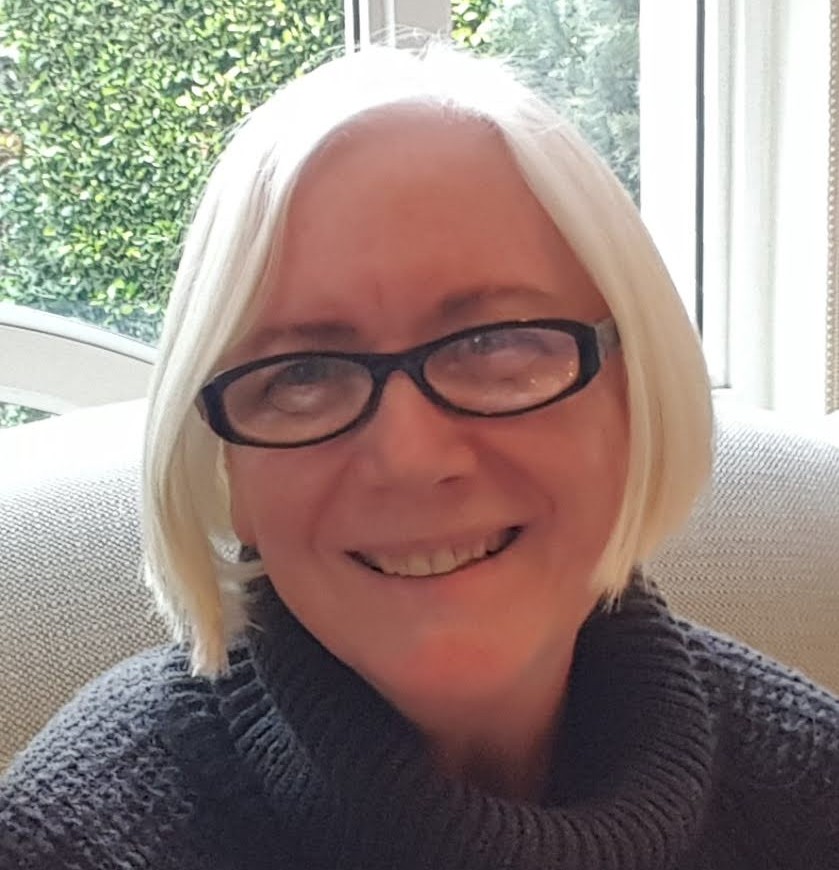
Pamela A. Marx
Pam was born in Nebraska, but raised in West Covina, California. She eventually found her way to downtown Los Angeles to graduate college from USC, and then stayed on there for law school. Her legal career started in media at The Times Mirror Company, parent of the Los Angeles Times, working in cable television and mergers and acquisitions. Later she found her way to the non-profit space as an attorney working in mental health advocacy. Passionate about the power of education and the arts, she always found time outside of work to teach students in various contexts: from performance and cooking, to storytelling and science. She’s published numerous books, everything from educational resources, to children’s books, to cookbooks. Now retired from the legal profession, her work in education and with kids remains prolific.
PODCAST EPISODES DROPPING DECEMBER 1, 2026!
Podcast Episodes

We’re hard at work writing, recording, and editing episodes. The first episode will be released December 1, 2026!
Ep. 1: Charlie Chaplin
Our first episode starts with the early days of film. In it, we look at the silent era of movies through a discussion of a true Renaissance man, Charlie Chaplin. Tune in to hear about how his musical ideas made their way into the scores for his films, focusing on his classics, City Lights and Modern Times.
Ep. 2: Russell Garcia
For Episode 2, we jump forward several decades to introduce Russell Garcia, famed jazz man and film arranger, orchestrator and composer. We’ll share a little about Garcia’s connection to Charlie Chaplin and launch into a discussion of Garcia’s work on the 1960 sci-fi film, The Time Machine, directed by the revered George Pal.
Ep. 3: Quincy Jones
In Episode 3, we explore the remarkably talented and accomplished jazz man, Quincy Jones. In this episode, we’ll give a listen to 1966’s Walk, Don’t Run and 1967’s In the Heat of the Night. These two scores are very different from one another, highlighting Jones’ range and his diverse musical talents.
Ep. 4: Henry Mancini
Episode 4 focuses on Henry Mancini. While he started out working for studios, he was later part of the wave of composers who were free agents, often with strong creative relationships with film directors. In this episode, we talk about some of Mancini’s songwriting as well as look at his work on the gritty late noir, Touch of Evil (1958), and his memorable score for the comic mystery, Charade (1963).
Ep. 5: Anne Dudley
Podcast episode description.
Ep. 6: Mario Castelnuovo-Tedesco
Ep. 8: Jerry Goldsmith
Podcast episode description.


Film Scores in the Media
Check out the Los Angeles Times’ article by guest contributor Alixandra Kupcik who writes on film and television.

Published Wednesday, October 28, 2026
Whatever happened to the big film score?
Kupcik references scores including James Horner’s Titanic and John Barry’s Out of Africa in questioning recent trends in film scoring. Does atmospheric sound design cause the audience to miss a key element in our film understanding and enjoyment? The cites Ennio Morricone’s view that music should become another character in a movie. Kupcik notes that the prevalence of relentlessly discordant soundscapes that have become so popular in scoring may not best serve the films they accompany. Has the move away from recognizable orchestral film score themes resulted in the loss of something important to music and moviegoing?
Already read our book? Looking for your next?
From State University of New York Press, 2025
Overhearing Film Music: Conversations with Screen Composers
Written by John Caps


From Oxford University Press, 2025
John Williams: A Composer’s Life
Written by Tim Greiving